Salzburg lakes and mountains in 5 days: the alpine deep-dive
Salzburg: Grossglockner High Alpine Road Day Trip
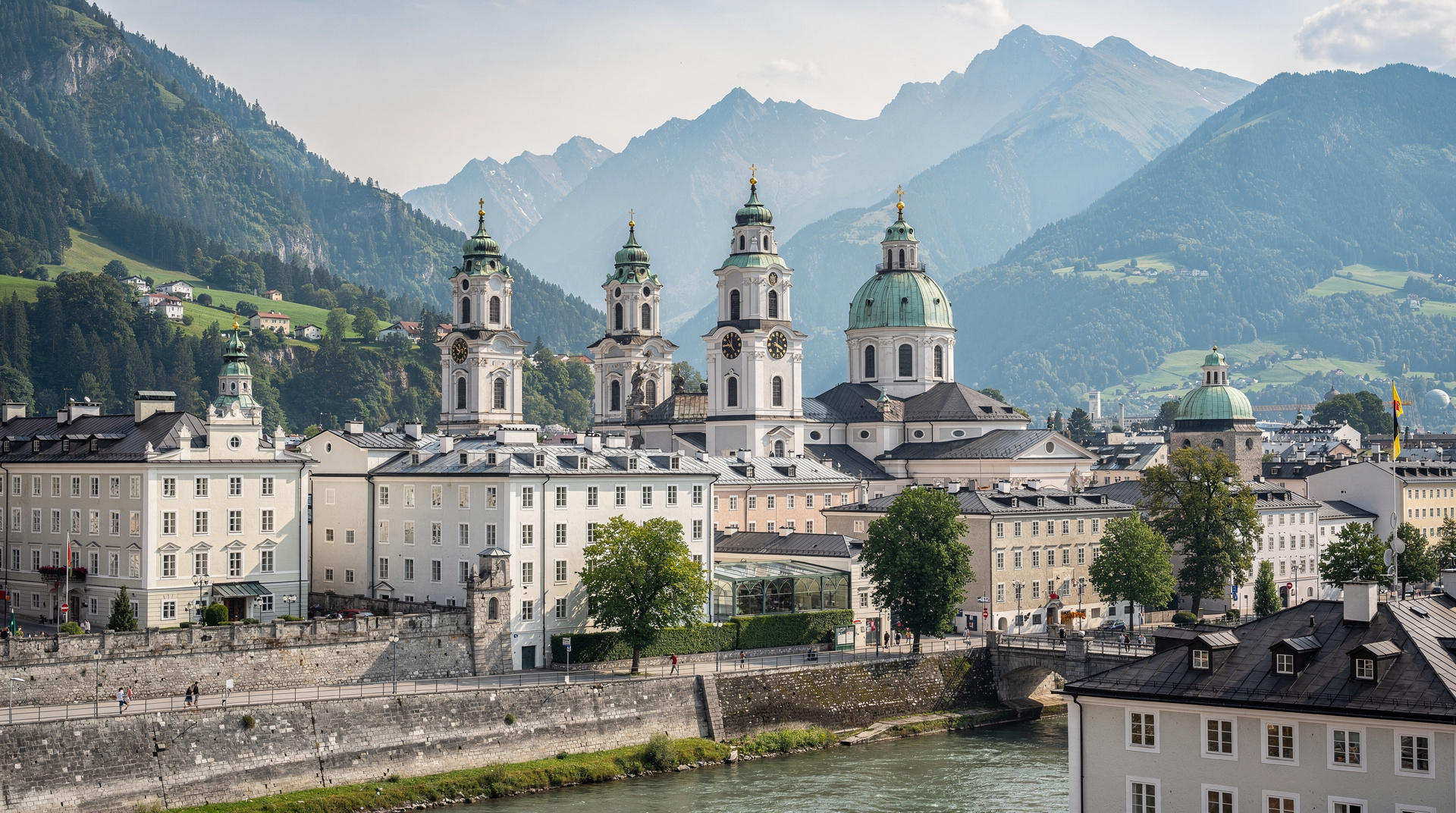
This is the car itinerary for visitors who came to see Austria’s mountains and lakes rather than primarily its museums and concert halls. Five days from a Salzburg base covers the three mountain clusters that make this region extraordinary: the Hohe Tauern Alps (Grossglockner, Krimml, Zell am See), the Berchtesgaden Alps (Eagle’s Nest, Königssee), and the Salzkammergut lakes (Hallstatt, Gosau, Wolfgangsee). The city of Salzburg appears as a day-one orientation and a day-five farewell rather than the main event.
Critical seasonal constraint: This entire itinerary assumes May through October. The Grossglockner High Alpine Road, the Eisriesenwelt ice cave, and the Schafberg railway all close November through April. If you are visiting outside this window, see our Salzburg winter itinerary instead.
A car is not optional for this itinerary. The mountains and lakes described here cannot be meaningfully accessed by public transport. If you are willing to use guided tours for each excursion, our Salzburg 5-day city and region itinerary covers similar ground with tour options built in.
At a glance
| Structure | Day 1 Zell am See, Day 2 Grossglockner, Day 3 Krimml, Day 4 Hallstatt/Gosau, Day 5 Salzburg farewell |
| Cost per person | approx. 615–650 € incl. car hire, excl. accommodation |
| Car | Essential — this is a driving itinerary |
| Best months | June to September (Grossglockner road open May–November) |
| Book ahead | Motorway vignette before first drive; Grossglockner toll paid on arrival |
Before you drive: planning the route
The itinerary is structured south-first (days 1–3 in the Hohe Tauern region), then east (day 4 returns via Hallstatt), then city farewell (day 5). This avoids backtracking and uses the most logical loop from Salzburg.
Distance overview:
- Salzburg to Zell am See: 90 km, 1h15
- Zell am See to Grossglockner summit: 60 km, 1h30 (slow mountain driving)
- Grossglockner to Krimml: 80 km, 1h30
- Krimml to Hallstatt: 120 km, 2h (via Bruck an der Glocknerstrasse and back road)
- Hallstatt to Salzburg: 75 km, 1h
Fuel: Fill up in Salzburg and again in Zell am See. The Grossglockner road has no fuel stops. Carry a full tank.
Grossglockner toll: 38 € per passenger car (2026). Payable at the toll stations at the start of the Grossglockner Hochalpenstrasse (at Bruck an der Glocknerstrasse from the north, or at Heiligenblut from the south). Credit cards accepted.
Day 1: Salzburg to Zell am See — settling into the mountains
Morning (09:00–11:00): Salzburg farewell
Before driving south, spend 90 minutes in Salzburg Altstadt. Hohensalzburg Fortress in the morning is worth 45 minutes for the view — the panorama south toward the Alps, which you will be driving into by noon, is a useful spatial orientation. Then coffee at Café Tomaselli on Alter Markt and the A10 south.
Drive (11:00–12:15): Salzburg to Zell am See
The A10 motorway south from Salzburg runs through the Tauern tunnels (road tunnel through the Tauern range, toll included in the Austrian motorway vignette). At the southern exit, the mountains appear suddenly and completely: the Hohe Tauern peaks, the first glimpse of glaciers, the transition from the German-Austrian foothills to the high Alps.
Exit at Bruck an der Glocknerstrasse for the Grossglockner road tomorrow. Continue to Zell am See — 6 km further north.
Afternoon (12:30–18:00): Zell am See
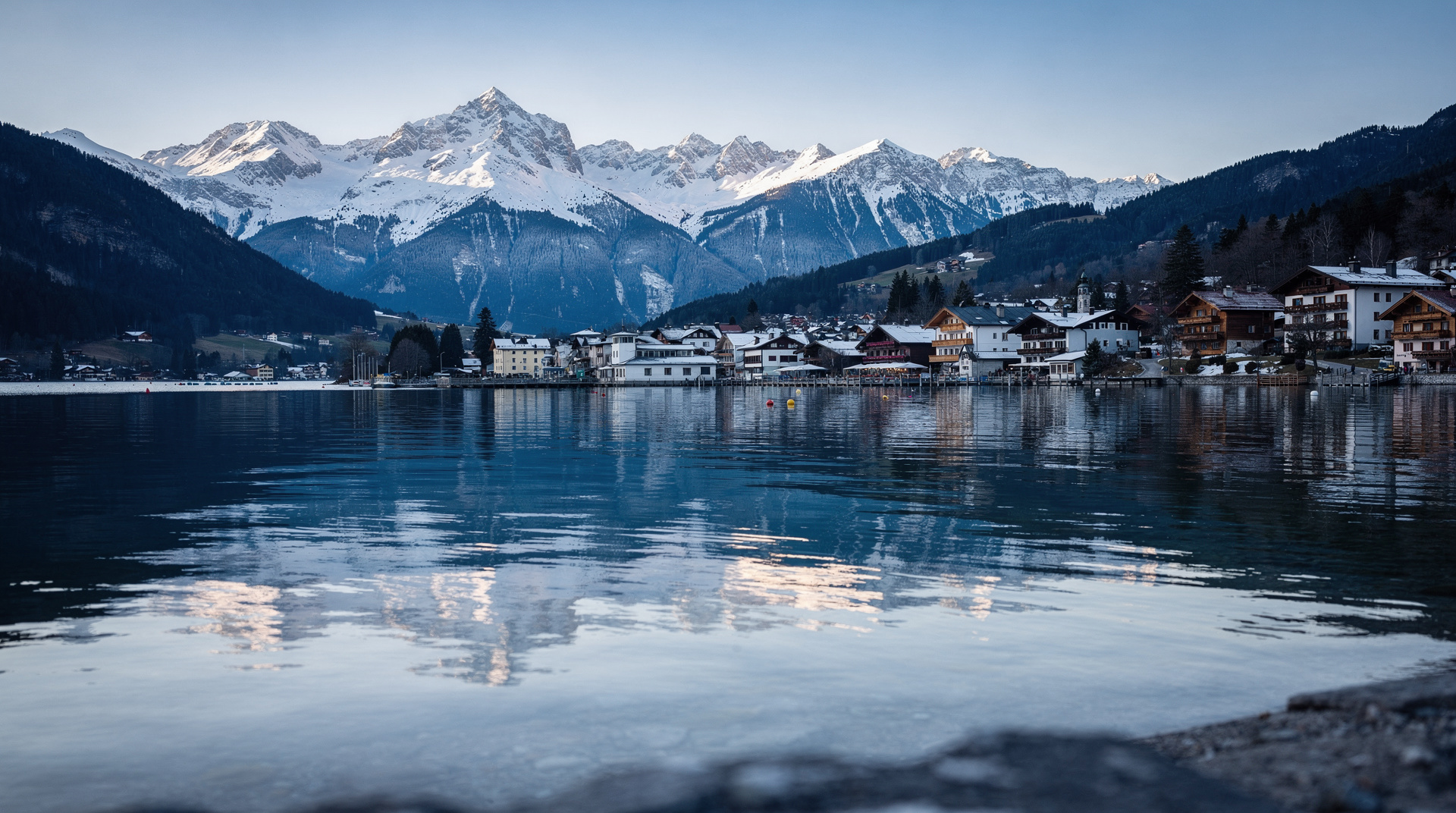
Zell am See is an alpine resort town on the Zeller See, ringed by mountains on three sides. In summer: walking, lake swimming (the Zeller See is clean and swimmable, 18–22°C July–August), and the Schmittenhöhe gondola (from the town centre up to 2000 m for views over the Grossglockner massif). In winter: major ski resort.
Take the Schmittenhöhebahn gondola (approx. 25 € return) to 2000 m. The summit plateau has walking paths (easy, well-marked), a summit restaurant, and views on clear days over the Grossglockner and Kitzsteinhorn in one direction, and the Salzburger Alps in another. Allow 2.5–3 hours including the gondola ride.
Return to Zell am See town for a lakeside walk. The Esplanade along the Zeller See is one of those uncelebrated alpine promenades — good views, easy walking, cafés. Dinner in Zell am See: Zum Hirschen or Villa Crazy Daisy are reliable mid-range options.
Stay overnight: Zell am See has good mid-range accommodation at significantly lower prices than Salzburg in summer.
Day 2: Grossglockner High Alpine Road — a full mountain day
The Grossglockner: what to know
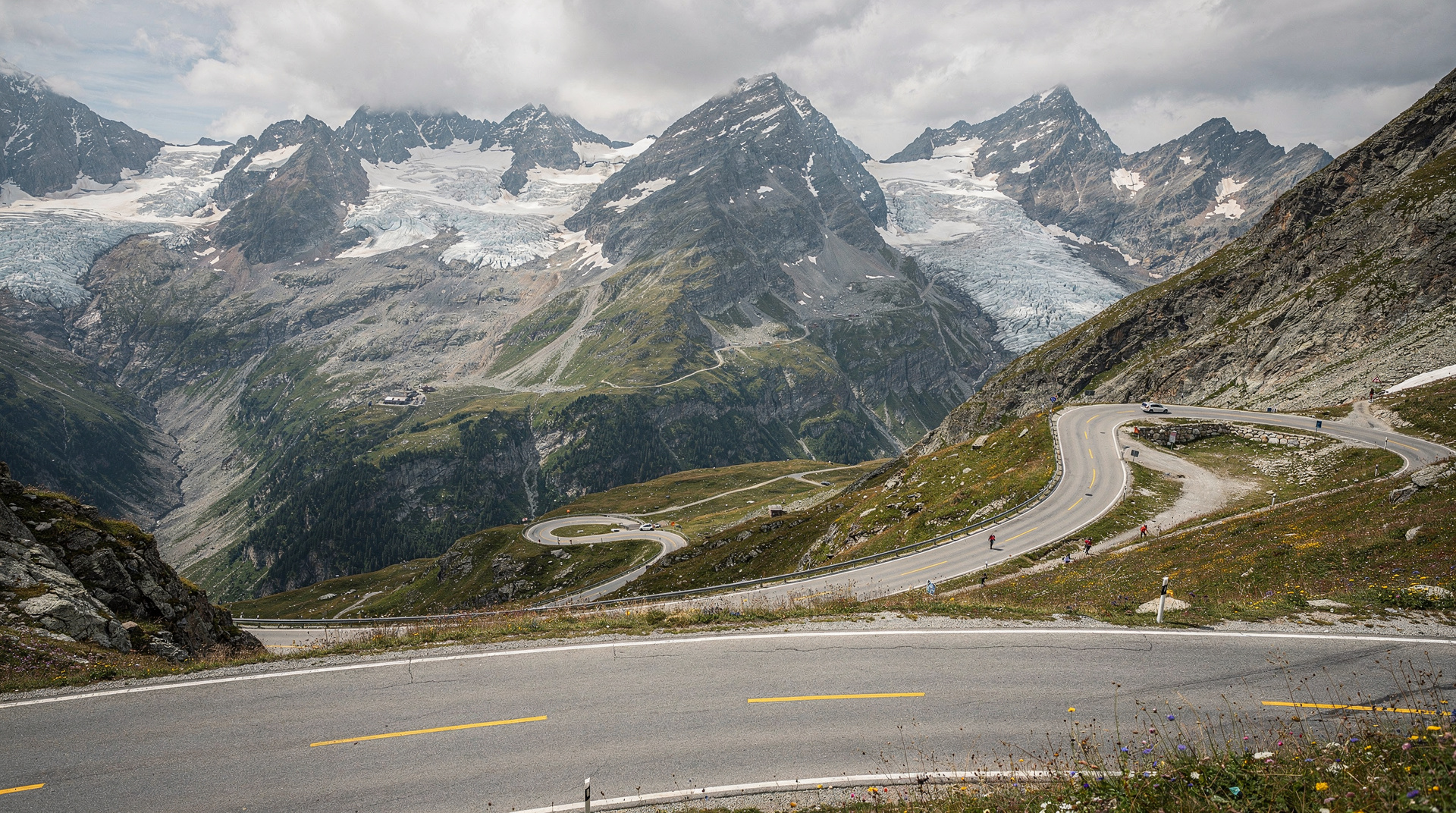
The Grossglockner High Alpine Road (Grossglockner-Hochalpenstrasse) is a 48-km mountain road connecting Bruck an der Glocknerstrasse (north) with Heiligenblut (south), crossing the main Alpine ridge at 2504 m at the Hochtor pass. It was built between 1930 and 1935 as a public works project and is now one of Europe’s most spectacular mountain drives.
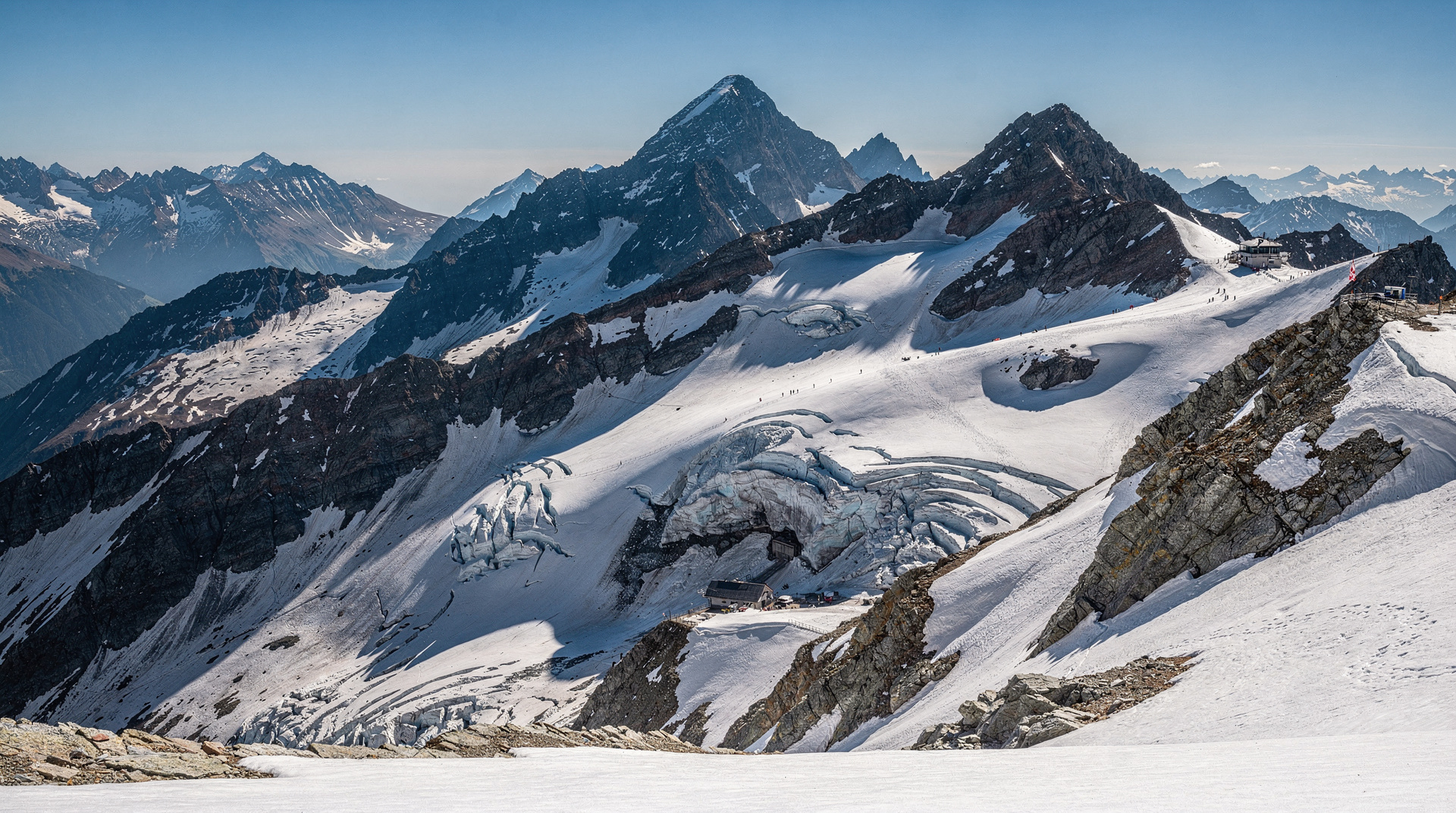
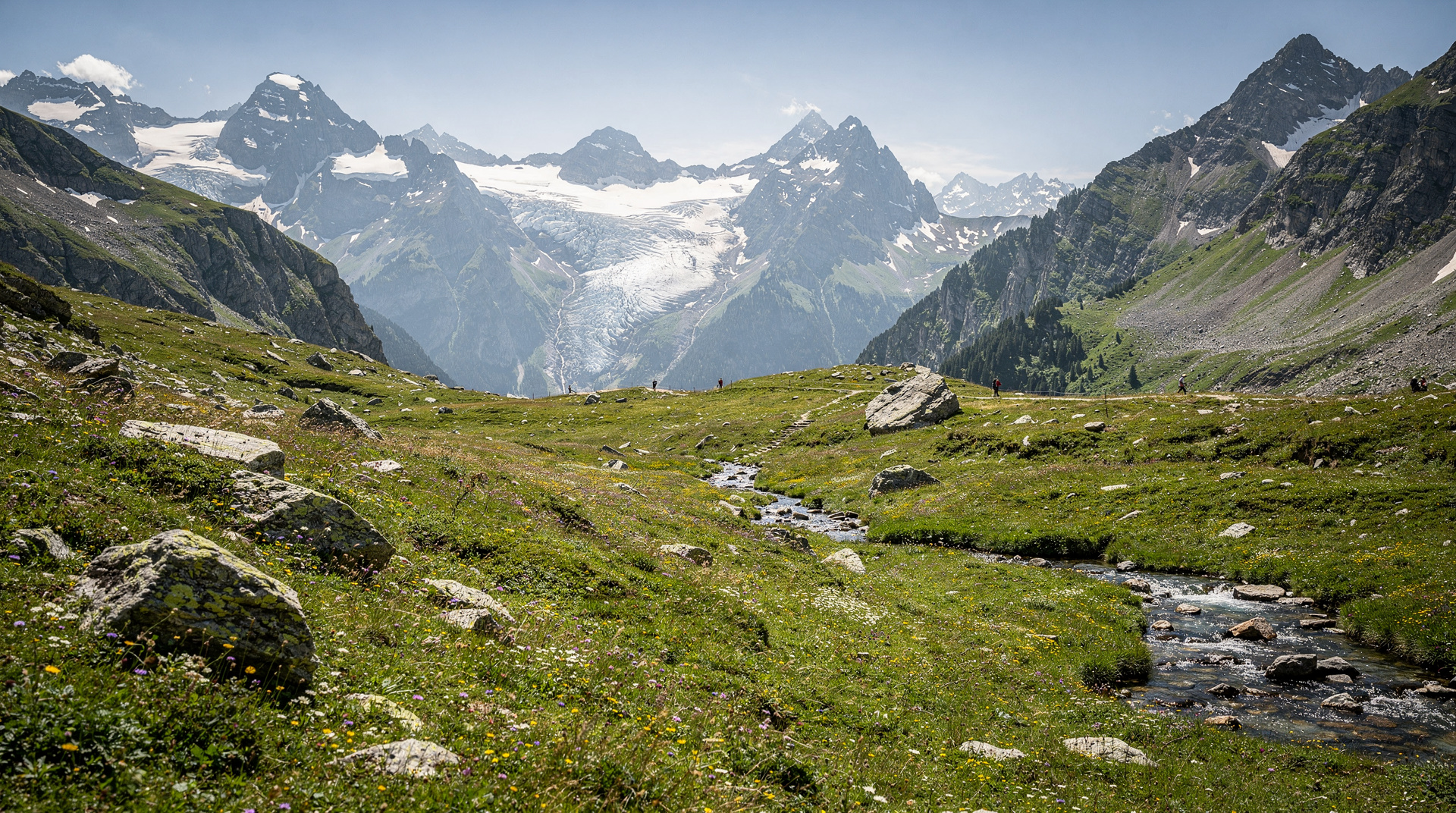
The highest viewpoint is the Franz-Josephs-Höhe (2369 m) on a side road off the main route: a visitor centre perched on a promontory directly overlooking the Pasterze glacier — at 8.4 km, Austria’s longest glacier, currently retreating at approximately 60 m per year. The view from the Franz-Josephs-Höhe is the most dramatic on the entire road.
Open: Early May to November, weather permitting. The road closes in winter and during severe storms. Check the official road status at hochalpenstrasse.at before departing.
The drive (07:30–18:00)
Leave Zell am See by 07:30 — the road gets busy after 10:00 and parking at Franz-Josephs-Höhe fills by 11:00 in July–August.
At Bruck an der Glocknerstrasse, pay the toll (38 €) and drive south. The road climbs through 36 hairpin bends over 25 km. Key stops:
Fuscher Törl (2429 m): first high Alpine meadow viewpoint, panoramas north over the Salzburg foothills, wildflowers in June–July.
Edelweissspitze (2571 m): the highest paved point on the Grossglockner road, reached by a short side spur. Views of 37 mountains over 3000 m. The edelweiss flower grows wild here (do not pick it — legally protected). Allow 30 minutes.
Hochtor pass (2504 m): the main ridge crossing, with a small Roman artefact museum (finds from the road used by Romans as a trade route). Free. Allow 20 minutes.
Franz-Josephs-Höhe (2369 m): the highlight. Park here (free but limited) and walk to the viewing platform above the Pasterze glacier. On a clear day, the Grossglockner peak (3798 m, Austria’s highest mountain) fills the view. The glacier below is immediately visible, streaked with meltwater channels. The visitor centre explains the geology and the glacier retreat data. Allow 1.5–2 hours.
See our Grossglockner High Alpine Road guide for what each stopping point contains and the best photography viewpoints.
Practical: The Grossglockner High Alpine Road day trip from Salzburg handles transport for those who prefer not to drive the mountain road.
Return to Zell am See via the northern route (reverse the drive). Dinner and second night in Zell am See.
Day 3: Krimml Waterfalls and Hohe Tauern National Park
Morning (08:30–13:00): Krimml Waterfalls
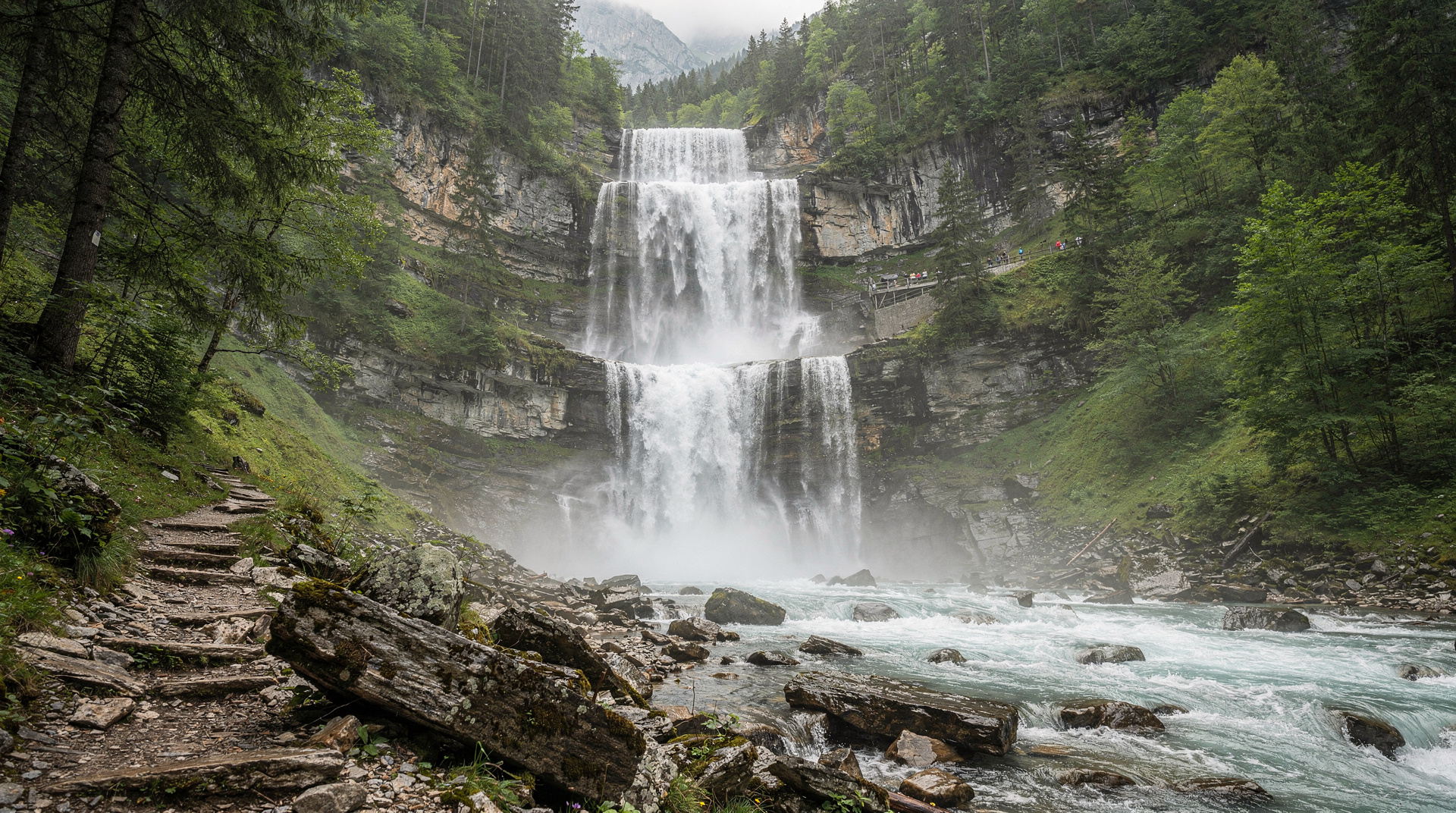
Drive west from Zell am See on the B168 through the Salzach valley to Krimml Waterfalls (55 km, approximately 1 hour). The Krimml Waterfalls (Krimmler Wasserfälle) are Europe’s highest at 380 m across three cascades — the combined volume, sound, and spray are extraordinary on a warm summer day.
The Wasserfallweg (waterfall path) follows the cascades from the valley floor to the upper basin. Allow 2.5–3 hours for the return trip (the path climbs 450 m; it is well-surfaced but steady uphill). Wear waterproof clothing or expect to be thoroughly misted — the spray from the lower falls extends 50–80 m in summer conditions.
Krimml village: The village at the base has cafés and simple restaurants. Lunch here before the afternoon drive.
Afternoon (13:30–17:00): Hohe Tauern National Park visitor centre
Return east along the Salzach valley. Stop at the Hohe Tauern National Park visitor centre at Mittersill or Neukirchen — the park covers 1856 km2 of Alpine terrain and the visitor centre explains the ecosystem, the glacier history, and the wildlife (chamois, golden eagle, marmot). Our Hohe Tauern hiking guide covers the best day hikes from various access points.
Drive back toward Salzburg, stopping at Bruck an der Glocknerstrasse, or continue east to overnight at Hallstatt/St. Gilgen for an earlier start on day 4.
Day 4: Hallstatt, Gosau, and the return through the Salzkammergut
Early morning (07:30–09:30): Hallstatt before the crowds
If staying near the Salzkammergut: arrive in Hallstatt before 09:00. This is the critical timing for summer visits — the village is overcrowded from 11:00 to 16:00. Our Hallstatt overcrowding guide is the essential reference.
Park at the satellite car parks above the village (arrive by 09:00 in July–August before they fill) and take the bus down. Walk the village in the morning quiet: the market square, the bone chapel, the lakeside path. The Skywalk funicular (approx. 16 €) for the aerial view works best before 10:30 on a clear morning.
The half-day Hallstatt tour from Salzburg is the no-car option for this day.
Mid-morning (09:30–12:00): Gosausee
Drive 15 minutes west from Hallstatt to Gosau. The Vorderer Gosausee (lower lake) is an emerald-green mountain lake at 933 m with the Dachstein glacier massif immediately behind it — the most spectacular backdrop of any accessible lake in the Salzkammergut. The walking path around the lake (5 km, 1.5 hours, flat and well-marked) is one of the most beautiful easy walks in Austria.
If you want to go higher: the Gosaukammbahn cable car (approx. 25 € return) ascends to 1480 m and the Dachstein 5 Fingers viewpoint (via a second cable car from Obertraun, on the opposite side of the Dachstein massif) offers a glass walkway extending over the cliff at 2700 m, but this requires a separate trip of half a day. See our Gosau and Dachstein guide.
Lunch at Gosau: the Gasthof at the lake car park is simple but good. Trout from the local fisheries, Zwiebelrostbraten (rib steak with onions), cold beer. 15–22 € per main.
Afternoon (13:00–18:00): drive home via Wolfgangsee
Drive north from Gosau on the back road through Strobl to the Wolfgangsee, arriving at St. Gilgen for a lakeside coffee stop. The Wolfgangsee from the St. Gilgen shore in afternoon light is excellent photography. Continue west on the B158 back to Salzburg (35 minutes from St. Gilgen).
Day 5: Salzburg city and final alpine farewell
One final day in Salzburg to see whatever was skipped on day 1.
Morning (09:00–12:00)
Mirabell Gardens (free) for the full baroque garden experience. Walk across to Salzburg Altstadt for the Mozart Geburtshaus if you haven’t yet (approx. 12 €) or the DomQuartier (16 €) for the Residenz state rooms and cathedral walkway.
Alternatively: drive 20 minutes south to Untersberg for the cable car ascent to 1776 m — the final alpine view of the trip, and one of the best panoramic overviews of Salzburg and the surrounding mountains. Our Untersberg cable car guide covers what to expect. Allow 2.5–3 hours.
Afternoon (12:30–17:00): final Altstadt
Lunch at Café Tomaselli or a riverside restaurant on the Salzach. Final walk through Getreidegasse, the Alter Markt, and the Salzach bridges. Buy Mozartkugeln from Fürst (the original, silver-blue wrapping, Alter Markt 13).
Essential logistics
Vignette (motorway toll): Austria requires a motorway vignette sticker (10-day vignette approx. 9.90 € at border crossings, petrol stations, and shops). Without it, cameras will record your plate on the motorway and you will receive a fine by post. Buy it before your first motorway use.
Grossglockner toll: 38 € per car, paid separately at the road entry. Not covered by the motorway vignette.
Petrol: Fill up in Salzburg and in Zell am See before the Grossglockner day. There is no fuel on the Grossglockner road itself.
Car hire: A standard car is sufficient for all roads in this itinerary. The Grossglockner is a paved mountain road, not a 4WD track. Verify your rental agreement covers mountain roads and Austria.
Budget breakdown (per person, mid-range)
| Day | Main costs | Estimate |
|---|---|---|
| Day 1 | Fortress + Schmittenhöhe gondola | 40 € |
| Day 2 | Grossglockner toll (per car, shared) + Franz-Josephs-Höhe | 25 € |
| Day 3 | Krimml entry (free) + National Park | 5 € |
| Day 4 | Hallstatt transport + Gosau | 25–40 € |
| Day 5 | Mozart / DomQuartier + Untersberg (optional) | 20–40 € |
| Food (5 days × 50 €) | 250 € | |
| Car hire (5 days × 50 €) | 250 € | |
| Total | 615–650 € |
Plus accommodation (5 nights × 60–150 € = 300–750 €).
Driving notes for visitors unused to Alpine roads
This itinerary is more driving-intensive than any other on this site, and a few practical notes matter beyond the distance table above. Austrian mountain roads like the Grossglockner Hochalpenstrasse are well-maintained and fully paved, but the hairpin density and altitude are unlike typical motorway driving — plan for average speeds of 30–40 km/h on the mountain sections rather than motorway speeds, and budget more time than a straight-line distance calculation suggests.
Weather changes fast at altitude. A clear morning at Zell am See can mean cloud or even light snow at the Hochtor pass (2504 m) later the same day, even in June. Check the road’s live status page before each mountain drive, and carry a warm layer in the car regardless of the valley-floor forecast.
Winter tyres and snow chains are not needed for a May–October visit under normal conditions, but early May and late October can bring surprise cold snaps at the highest points; if travelling at the very edges of the season, check with your rental company about equipment.
Fuel discipline matters more here than in most itineraries — there is genuinely no fuel on the Grossglockner road itself, and the distances between villages in the Hohe Tauern are longer than in the city-based itineraries elsewhere on this site.
Comparing this to the city-based 5-day itinerary
If you’re deciding between this route and our standard 5-day Salzburg itinerary, the difference is straightforward: this one treats Salzburg city as bookends (day 1 morning, day 5) and spends the bulk of the trip in the Hohe Tauern Alps and the western Salzkammergut, while the standard 5-day itinerary keeps two full days in the city and adds Eagle’s Nest instead of Grossglockner. Choose this version if mountain driving, glacier views, and waterfalls interest you more than museums and concerts; choose the standard version if you want a more balanced split between city culture and day trips.
Frequently asked questions about Salzburg lakes and mountains in 5 days
When is the Grossglockner road open?
Approximately early May to late October, weather permitting. Exact opening varies by year; the official Hochalpenstrasse website publishes the opening date in spring. The road is sometimes temporarily closed in summer due to storms or maintenance. Check before driving.
Is the Grossglockner drive difficult?
The road is paved and well-maintained. It has tight hairpin bends on both sides and slow average speeds (30–40 km/h in sections). You need to be comfortable with mountain driving, confident with passing in narrow sections, and not prone to vertigo when looking over the edge. It is not a technical road but it requires attention.
Can I see the Grossglockner by tour (no driving)?
Yes. The Grossglockner High Alpine Road day trip from Salzburg handles all driving and includes commentary on the road’s history and the Alpine ecology. Worth considering if mountain driving is not appealing.
Is Krimml worth visiting?
Strongly yes if you are already in the Zell am See/Kaprun area. The three-tier waterfall at 380 m is genuinely spectacular and the walk up the path is one of Austria’s great short hiking routes. It adds 1.5 hours of driving to day 3 but is worth it. See our Krimml waterfalls guide.
What is the single best day of this itinerary?
The Grossglockner day. The alpine road from Bruck to Franz-Josephs-Höhe and back is one of the most spectacular drives in Europe, and the combination of high altitude, glacier views, and mountain ecology is unlike anything accessible from a base city in Austria.
Do I need an international driving permit?
For most nationalities visiting Austria for a short trip, a standard driving licence from an EU country or a Schengen-recognised country is sufficient, but many non-EU visitors (US, Canada, Australia, and others) are legally required to carry an International Driving Permit alongside their national licence. Check current requirements for your nationality before the trip — rental companies rarely check strictly at pickup, but the requirement is a legal one, not merely advisory, and matters if you’re stopped or in an accident.
Can I do this itinerary in a small city car, or do I need something bigger?
A standard compact or mid-size rental car handles every road in this itinerary comfortably — the Grossglockner Hochalpenstrasse and the Salzkammergut lake roads are all paved, two-lane roads, not off-road tracks. A 4WD or larger vehicle adds no benefit here and costs more to rent and to fuel. The only genuine consideration is luggage space if travelling as a group of four with full suitcases for five days.
Alternative routes and extensions
Adding the Berchtesgaden side of the Alps
This itinerary covers the Austrian alpine side (Hohe Tauern, Krimml, Grossglockner) but the Bavarian Alps on the German side — Eagle’s Nest, Königssee, Berchtesgaden — are 45 minutes in the opposite direction from Salzburg. If you want to add this dimension, the most natural insertion is between Day 4 (Hallstatt/Gosau return) and Day 5 (Salzburg farewell):
Day 4 extension: After Hallstatt and Gosau, drive northeast to Berchtesgaden for the Königssee boat trip late afternoon (boats run until 17:00 in summer). Stay overnight in Berchtesgaden and do Eagle’s Nest first thing the next morning before driving back to Salzburg for Day 5.
This adds one night and one day. See our Eagle’s Nest visit guide and Königssee boat guide for the logistics.
The Salzkammergut on the return from Hallstatt
Day 4 as written passes through Gosau and the Wolfgangsee on the return to Salzburg. For those with more time, the full Salzkammergut circuit — adding Bad Ischl and the Kaiservilla (1h further) — turns Day 4 into a complete lakes circuit. See our Salzburg and Salzkammergut 4-day itinerary for a dedicated lake-district programme.
Photography considerations
This itinerary is exceptional for landscape photography. Key timing notes:
Grossglockner (Day 2): Best light for the Franz-Josephs-Höhe is morning (07:30–10:00 on the glacier) before midday haze builds over the valley. The Edelweissspitze panorama faces roughly north, best in mid-morning.
Krimml (Day 3): The lower falls photograph best from mid-morning when direct sun hits the spray. Afternoon brings rainbow effects in the mist. Waterproof your camera — the spray extends 50+ m from the main cascade.
Hallstatt (Day 4): The classic postcard view (village reflection in the lake) is best from the road on the opposite shore, at first light before wind disturbs the surface. The Skywalk view is best mid-morning before cloud builds on the Dachstein.
Gosausee: The Dachstein glacier behind the lake is best photographed in late afternoon when the summit snow turns orange-gold. The lake reflection works in calm morning conditions.
See our Salzburg photography spots guide (the Gaisberg summit gives one of the best Salzburg cityscape views for photographers) for city photography tips to add on Day 5.
Top experiences
Bookable activities with verified prices and instant confirmation on GetYourGuide.